Introduction
In today’s highly competitive marketplace, acquiring new customers is important but retaining existing customers is often far more valuable. Research consistently shows that keeping current customers costs significantly less than acquiring new ones. As businesses strive for sustainable growth, relationship marketing has become one of the most effective strategies for building long-term customer loyalty and creating lasting business success.
Relationship marketing focuses on developing strong, meaningful, and long-term relationships with customers rather than concentrating solely on individual transactions. Instead of prioritizing short-term sales, businesses invest in customer satisfaction, trust, engagement and loyalty to encourage repeat purchases and long-term partnerships.
This article explores the concept of relationship marketing, its importance, key strategies, benefits, challenges and how businesses can use it to achieve sustainable growth and customer loyalty.
What is Relationship Marketing?
Relationship marketing is a customer-centered marketing approach that focuses on creating long-term relationships with customers rather than emphasizing one-time sales.
The goal is to:
- Build customer trust
- Increase customer satisfaction
- Encourage repeat business
- Strengthen brand loyalty
- Develop long-term customer value
Unlike traditional marketing, which often focuses on attracting new customers, relationship marketing emphasizes maintaining and nurturing existing customer relationships.
Why Relationship Marketing Matters
Modern customers have countless options available to them. They can easily compare products, services, and prices online. In such a competitive environment, businesses that develop strong customer relationships gain a significant advantage.
Key Reasons Relationship Marketing is Important
1. Customer Retention
Loyal customers are more likely to continue purchasing from a brand they trust.
2. Increased Customer Lifetime Value
Long-term customers often generate more revenue over time through repeat purchases and referrals.
3. Positive Word-of-Mouth Marketing
Satisfied customers frequently recommend businesses to friends, family, and colleagues.
4. Lower Marketing Costs
Retaining customers is generally less expensive than continuously acquiring new ones.
5. Stronger Brand Reputation
Companies known for excellent customer relationships often enjoy stronger market positions and greater trust.
Core Principles of Relationship Marketing
Successful relationship marketing is built upon several key principles.
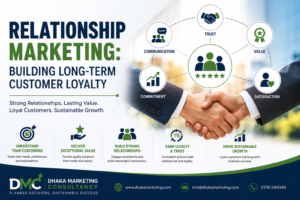
Trust
Customers are more likely to remain loyal to businesses they trust.
Trust can be developed through:
- Honest communication
- Reliable service
- Transparency
- Consistent quality
Customer Satisfaction
Meeting and exceeding customer expectations helps strengthen relationships.
Businesses should continuously evaluate customer experiences and seek opportunities for improvement.
Commitment
Long-term relationships require ongoing effort from both businesses and customers.
Organizations must demonstrate commitment through consistent support and service excellence.
Communication
Regular communication helps businesses stay connected with customers.
Effective communication includes:
- Email newsletters
- Social media engagement
- Customer support interactions
- Personalized recommendations
Value Creation
Customers remain loyal when they consistently receive value from a brand.
Value may come from:
- High-quality products
- Expert guidance
- Educational content
- Excellent customer service
Key Relationship Marketing Strategies
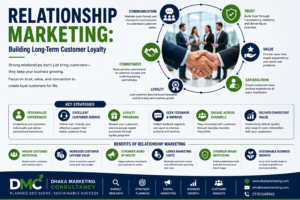
1. Deliver Outstanding Customer Service
Customer service plays a critical role in relationship marketing.
Businesses should focus on:
- Fast response times
- Professional communication
- Problem resolution
- Personalized support
Positive customer service experiences often lead to stronger loyalty and repeat business.
2. Personalize Customer Interactions
Modern customers expect personalized experiences.
Businesses can personalize interactions through:
- Customized emails
- Product recommendations
- Tailored marketing messages
- Personalized offers
Personalization helps customers feel valued and understood.
3. Implement Customer Loyalty Programs
Loyalty programs encourage repeat purchases and strengthen customer relationships.
Examples include:
- Reward points
- Exclusive discounts
- VIP memberships
- Referral incentives
Well-designed loyalty programs can significantly improve customer retention.
4. Engage Through Content Marketing
Educational and informative content helps businesses maintain ongoing communication with customers.
Examples include:
- Blog articles
- Industry reports
- Videos
- Webinars
- Newsletters
Content marketing positions businesses as trusted advisors rather than simply sellers.
5. Collect and Act on Customer Feedback
Customer feedback provides valuable insights into customer experiences and expectations.
Businesses should regularly:
- Conduct surveys
- Request reviews
- Monitor social media comments
- Analyze customer complaints
Most importantly, organizations should act on the feedback they receive.
6. Build Strong Online Communities
Customers often appreciate opportunities to engage with brands and other customers.
Businesses can create communities through:
- Facebook Groups
- LinkedIn Communities
- Online Forums
- Customer Events
Communities foster stronger emotional connections with brands.
The Role of Technology in Relationship Marketing
Technology has transformed how businesses manage customer relationships.
Customer Relationship Management (CRM) Systems
CRM platforms help businesses:
- Track customer interactions
- Manage customer information
- Monitor purchasing behavior
- Improve communication
Popular CRM solutions include:
- HubSpot
- Salesforce
- Zoho CRM
Marketing Automation
Automation tools allow businesses to:
- Send personalized emails
- Schedule follow-ups
- Nurture leads
- Improve customer engagement
Data Analytics
Customer data helps organizations better understand customer needs and preferences.
Analytics can support:
- Personalization
- Segmentation
- Customer retention strategies
- Campaign optimization
Benefits of Relationship Marketing
Increased Customer Loyalty
Strong relationships encourage customers to remain loyal to a brand.
Higher Customer Retention Rates
Satisfied customers are less likely to switch to competitors.
Improved Profitability
Loyal customers often spend more and purchase more frequently.
Greater Customer Advocacy
Happy customers become brand advocates who recommend businesses to others.
Stronger Competitive Advantage
Customer relationships can be difficult for competitors to replicate.
Enhanced Brand Trust
Consistent positive experiences strengthen customer confidence in a brand.
Common Challenges in Relationship Marketing
While relationship marketing offers significant benefits, businesses may encounter challenges.
Maintaining Consistency
Providing consistent customer experiences across multiple channels can be difficult.
Managing Customer Expectations
Customer expectations continue to evolve and increase over time.
Data Privacy Concerns
Businesses must handle customer information responsibly and comply with privacy regulations.
Resource Requirements
Building strong customer relationships requires time, effort and investment.
Despite these challenges, the long-term benefits often outweigh the costs.
Relationship Marketing for Sustainable Business Growth
Sustainable business growth depends not only on acquiring customers but also on retaining them.
Relationship marketing supports sustainable growth by:
- Increasing customer retention
- Improving customer lifetime value
- Strengthening brand reputation
- Generating referrals
- Enhancing customer satisfaction
Organizations that prioritize customer relationships often experience more stable revenue and long-term success.
How Dhaka Marketing Consultancy Supports Relationship Marketing
At Dhaka Marketing Consultancy, we help businesses develop customer-focused marketing strategies that strengthen long-term relationships and improve customer loyalty.
Our services include:
- Marketing Strategy Development
- Customer Behavior Analysis
- Market Research
- Customer Satisfaction Studies
- Brand Positioning
- Digital Marketing Support
- CRM Strategy Guidance
- Business Growth Consulting
Our data-driven approach helps organizations create meaningful customer relationships that support sustainable business growth.
Conclusion
Relationship marketing has become an essential strategy for businesses seeking long-term success in today’s competitive environment. By focusing on customer satisfaction, trust, communication and value creation, organizations can build strong customer relationships that lead to loyalty, repeat business, and sustainable growth.
Rather than viewing customers as one-time buyers, successful businesses treat them as long-term partners. This mindset not only strengthens customer loyalty but also creates a powerful foundation for future growth and profitability.
Businesses that invest in relationship marketing today will be better positioned to thrive in the future, creating lasting value for both customers and the organization itself.
Dhaka Marketing Consultancy supports businesses in developing customer-centered marketing strategies that foster loyalty, strengthen relationships, and drive sustainable business growth.